
Salvador, Bahia. A place with a time of its own, where popular culture is current yet the past is present, not relived—a part of life. Filled with colonial wonders, cobblestoned streets, sandy beaches, clay-brick shacks and modern concrete apartment buildings. Salvador a third-world city with traffic jams and crowds, is a city with soul. It’s a place one will not soon forget, the feelings that consume you while there, continue to resonate. Salvador is bright, outgoing and receives all with open arms.
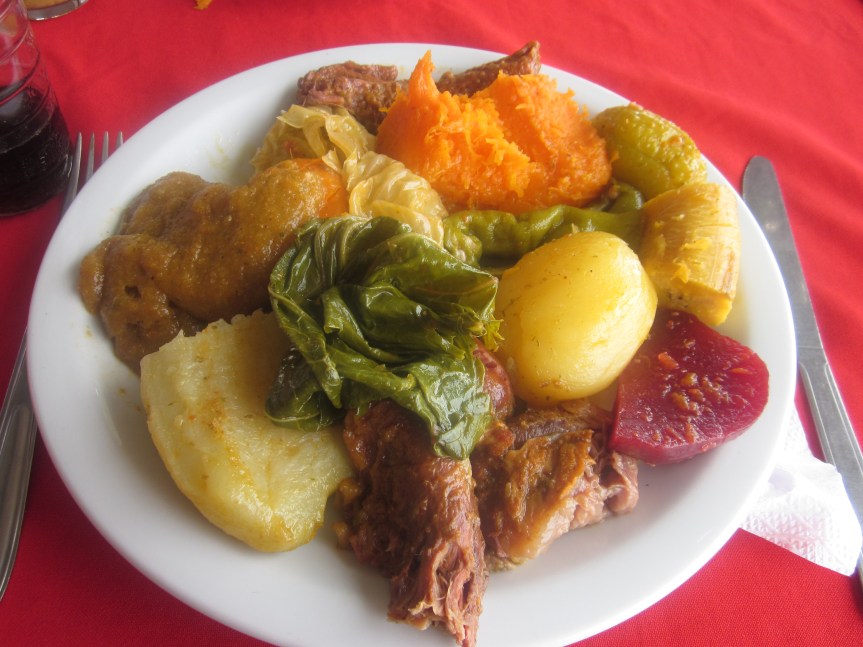
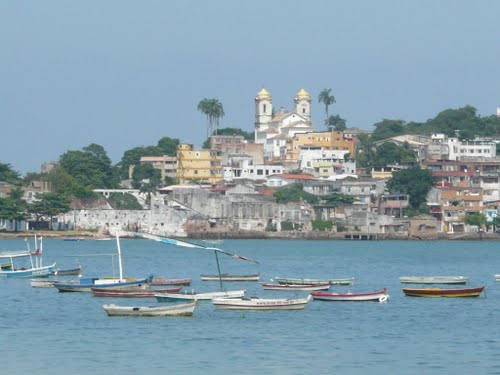
While traveling one must eat, to familiarize with a place, and those who visit Salvador must never leave without tasting cozido. Cozido translates to cooked, a stew originating from Portugal. For a taste of this acclaimed stew, venture to Ribeira, an easygoing, beach neighborhood which sets on a peninsula overlooking Baía de Todos os Santos (Bay of All Saints.) Imagine tranquility, sea breeze and sun-kissed cheeks a place for idyllic walks, sunsets and peaceful water. The main avenue, Avenida Beira Mar is filled with outdoor seating, bars, restaurants and stalls filled with samba music, dancing and cozido. The cozido which bubbles for hours in large pots seduces passersby with fragrant smells.
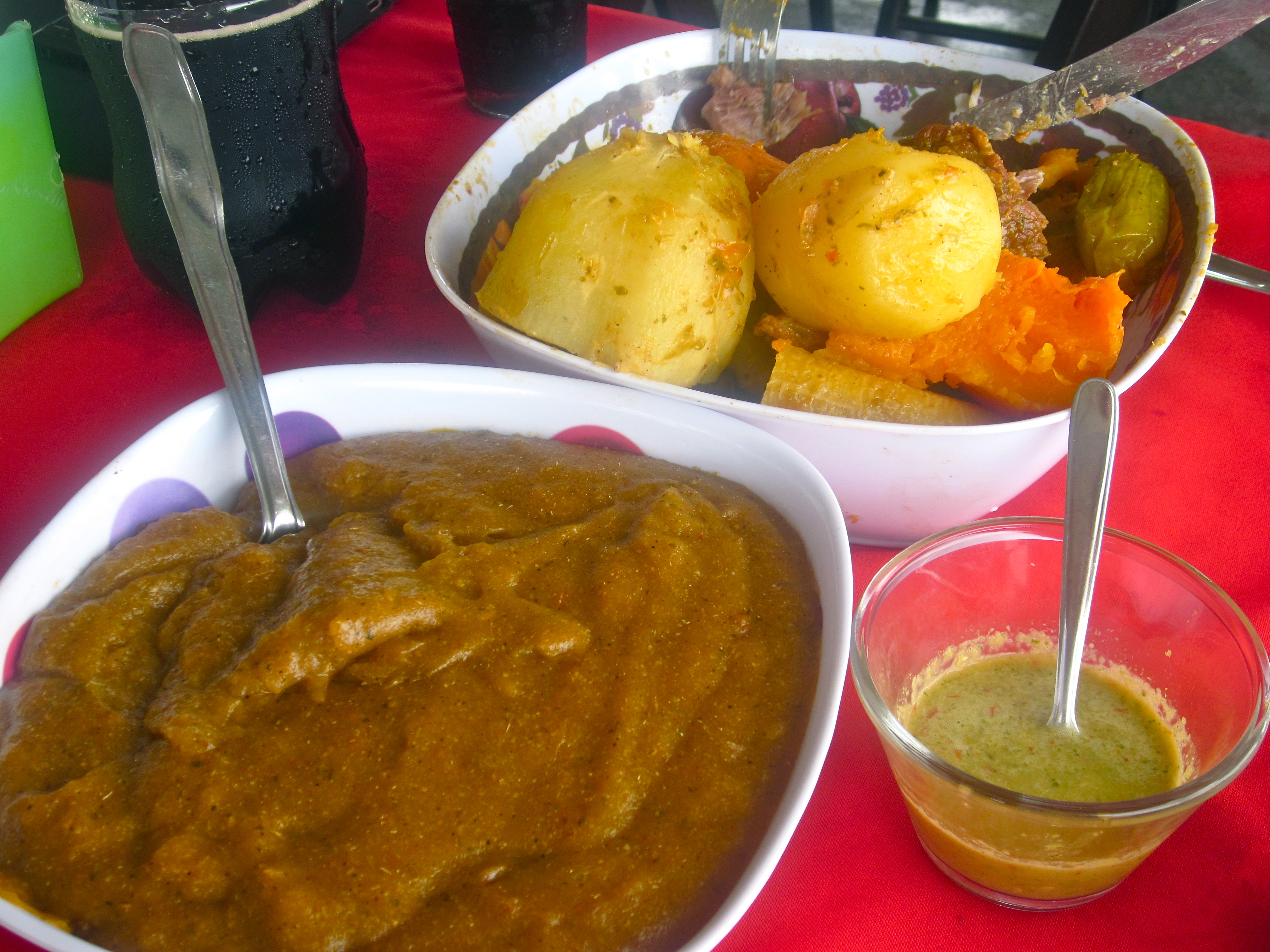
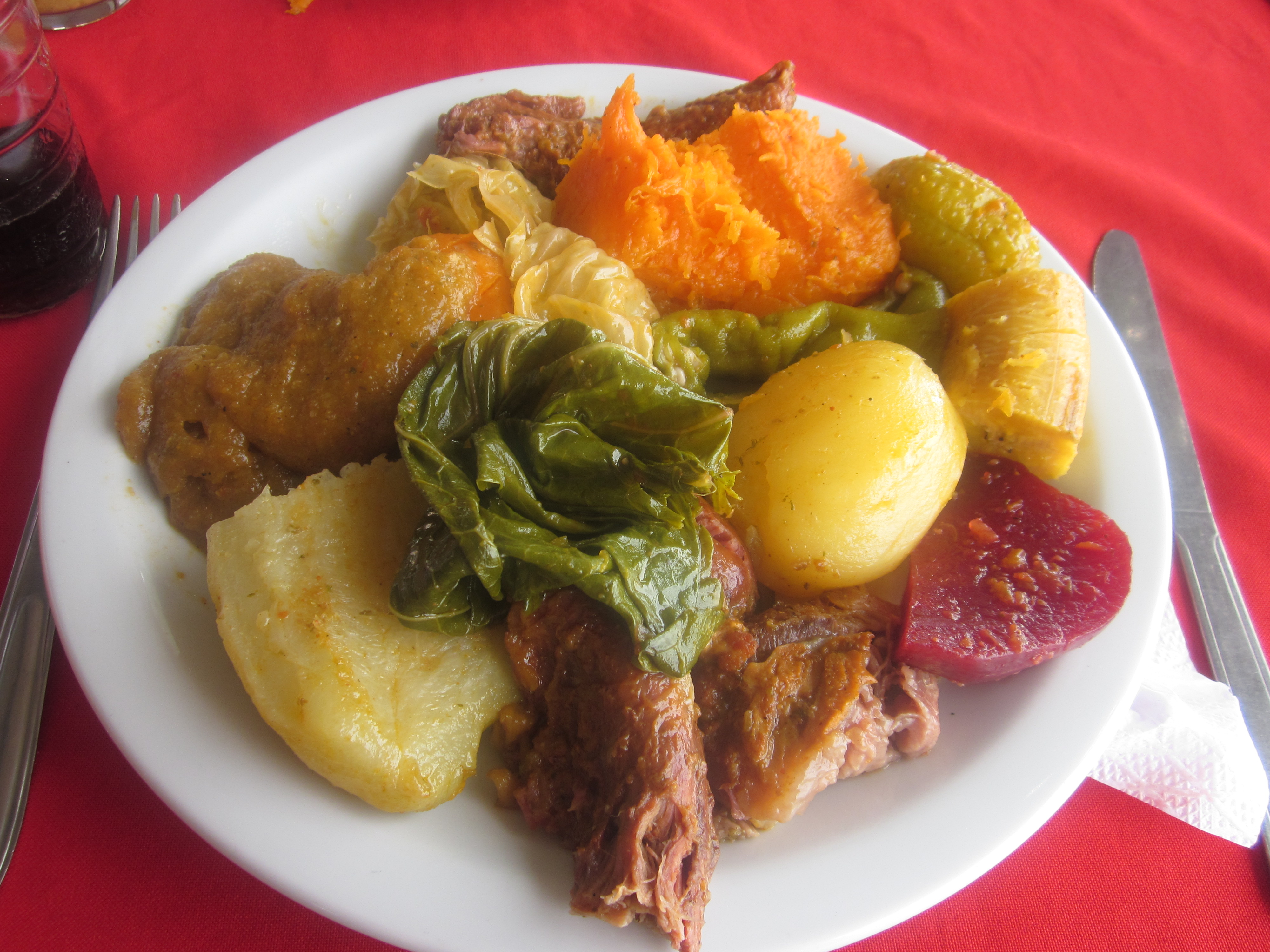
Being lured by senses to whet one’s appetite with a steaming bowl of cozido and a cold beer while looking out to sea will not be regretted. This is a hearty meal enjoyed in the afternoon, locals and tourists flourish here on Sunday or Monday afternoons and early evenings to get their fill.
Expect a piping hot stew filled with various vegetables, including plantains, okra, carrots, pumpkin, sweet potatoes, cabbage, yucca, collard greens and chayote squash. To the vegetables are added meats—beef, dried meat, bacon and lingüica sausage. The meat is browned with garlic and onions and water is added so that the meat can simmer for an hour or two. The vegetables are added to the meat to simmer for another hour. Cozido is served with pirão a cassava/manioc porridge mixed with hot broth and molho de pimento Bahia’s oh so VERY hot pepper sauce.

If you have room, leave the water’s edge and saunter over to Sorveteria da Ribeira for a taste of Salvador’s best ice cream. A basis of tradition the ice cream is made by hand, even the fruits are peeled manually, as it was when this mainstay began in 1931. Boasting over 52 flavors, Sorveteria da Ribeira prides itself on the culture and art of creating new flavors. I recommend the Cajà (a small fruit from the rainforest resembling a mango) and Milho Verde (green corn.)

Venture to the peninsula sit, eat, drink, dance, soak in tradition and enjoy the scenery. Ribeira simply a place to enjoy.

 Table Without Borders
One thought on “Ribeira, Salvador da Bahia”